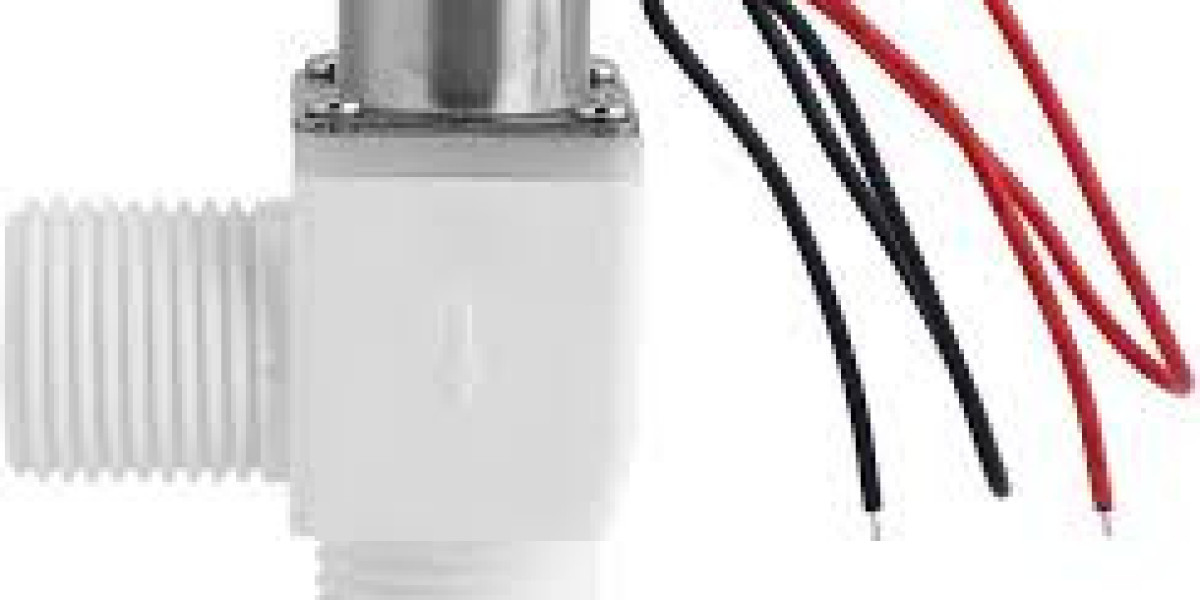

In industrial automation and building infrastructure, consistent control is often the difference between efficient operation and costly downtime. When engineers need a compact component that can hold its state without continuous power, Bi Stable Solenoid Valve technology becomes an especially practical choice, and fuxinvalve is one brand that many buyers associate with dependable valve solutions. From water distribution to gas handling and specialized process lines, this type of valve supports stable switching, lower energy use, and better long-term system planning.
Understanding the Core Operating Principle
A bi-stable design is built around two stable positions, which means the valve can remain open or closed after a short electrical pulse. That simple idea creates major advantages in systems where energy efficiency matters. Instead of keeping a coil energized all the time, the system only needs power during the switching moment. This reduces heat generation, lowers power consumption, and helps extend component life in demanding environments.
The internal mechanism usually combines a magnetic structure with precise sealing elements, allowing the valve to stay locked in its last position until the next control signal arrives. For applications with frequent but intermittent operation, that behavior can be more efficient than traditional continuously energized options. Engineers often value this approach because it supports cleaner electrical design and simplifies automation logic.
Why Energy Savings Matter in Continuous Operations
Facilities that run around the clock are always looking for ways to reduce unnecessary energy loss. In a production line, a valve that does not require constant holding current can contribute to a lower overall electrical load. Even though one component may seem small, the cumulative effect across many valves and many hours of operation can be significant.
This is especially relevant in remote installations, battery-supported systems, and equipment with strict thermal limits. Lower coil heating can also improve the surrounding environment for nearby electronics, seals, and wiring. When temperature stability improves, maintenance demands often decrease as well.
For plant managers and system designers, energy savings are not just about reducing utility bills. They also support reliability, thermal control, and a cleaner operating profile. That makes bi-stable designs attractive in industries that expect long service intervals and dependable repeated switching.
Application Range Across Modern Industries
These valves are used in a wide variety of systems because the basic operating principle adapts well to different media and control requirements. Water treatment equipment, irrigation systems, laboratory devices, pneumatic lines, and beverage machinery all benefit from compact and efficient flow control. In each case, the goal is similar: maintain a secure state with minimal electrical demand.
In automation projects, engineers appreciate components that can be integrated into both simple and advanced control architectures. A pulse-driven valve fits well with programmable systems, remote controllers, and smart monitoring platforms. Because the device remains in position after actuation, it can also support emergency logic and backup strategies more easily than some conventional alternatives.
Mechanical durability is another reason these valves are widely selected. If the sealing design, actuator structure, and magnetic response are carefully engineered, the valve can handle repeated cycles without major performance drift. That is important in operations where consistency and repeatability matter more than occasional manual adjustment.
Fuxinvalve Design Priorities and Quality Expectations
Product quality in valve manufacturing depends on more than the external body. Materials, internal tolerances, coil performance, and sealing consistency all influence how the valve behaves over time. Buyers typically look for smooth switching, corrosion resistance, stable actuation, and compatibility with the target fluid or gas.
A thoughtful design approach also considers installation convenience. Technicians often need components that fit standard connections, support clear wiring, and remain accessible for inspection. When a valve is easy to install and maintain, project timelines improve and service interruptions become less likely.
Another important consideration is responsiveness under changing conditions. Pressure variation, environmental exposure, and long operating cycles can all affect performance. A well-engineered valve should continue to respond predictably even when the system is not operating under ideal laboratory conditions. That practical durability is what gives industrial users confidence in daily operation.
Choosing the Right Valve for Long-Term Reliability
Selecting the right component usually starts with the application itself. Engineers evaluate fluid type, pressure range, switching frequency, ambient conditions, and available electrical supply before making a final choice. A bi-stable design is especially appealing when the system requires position retention without constant coil power.
It is also wise to consider maintenance planning. A valve that is easy to inspect and replace can reduce downtime when service is eventually needed. Over time, that simplicity can matter as much as the initial purchase specification. For many buyers, the best solution is one that balances performance, efficiency, and installation practicality.
When all of these factors come together, the result is a control component that supports stable operation and responsible energy use. For additional product information and related options, visit https://www.fuxinvalve.com/product .