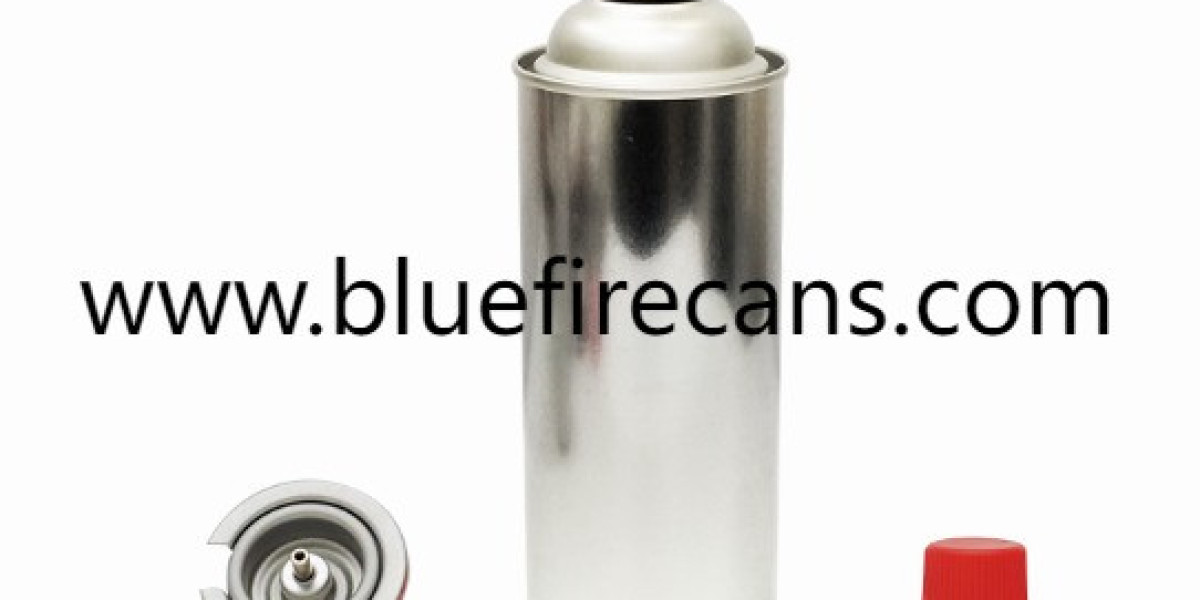

Packaging choices shape how a product performs on shelf, and an Aerosol Valve Manufacturer can explain why the small mechanism at the top of a canister is central to preserving formulation integrity over time. The right valve reduces exposure to air and moisture, controls evaporation during storage, and limits contamination risk when a container is used repeatedly. Those effects translate into steadier performance for users and fewer returns for brands in a crowded market.
A valve does several jobs at once. It must seal the container while idle then open cleanly when the actuator is pressed, meter a controlled dose, and close reliably so internal pressure and composition remain stable between uses. Modern valve families vary from single chamber designs to systems that separate product from propellant, and these options influence how a formulation ages inside its package. When brands match valve style to product chemistry they preserve active ingredients and avoid shifts in texture scent or spray behavior that can erode consumer trust.
Key parts inside the mechanism each contribute to longevity. The actuator and stem guide flow and help shape particle size which affects how quickly volatile components leave the container. Gaskets made from elastomers seal the moving stem and stop air ingress. Springs return the stem to closed position and mounting cups secure the whole assembly to the can rim. The dip tube draws product from the interior when pressure drives fluid upward. Minor differences in material grade or dimensional tolerance in any of these parts will change how well that seal holds over time and how the product dispenses after weeks or months in storage.
Material compatibility is central to shelf life outcomes. Elastomer gaskets can swell or harden when exposed to solvents fragrances or other formulation components; plastics used for stems and actuators may absorb volatiles or leach additives if not chosen carefully. Corrosion resistant metal for springs and mounting cups prevents particulate contamination and maintains mechanical return force over repeated cycles. For sensitive formulations some packagers move to systems that keep the product physically separate from propellant to minimize contact with reactive gases and to reduce oxidation pathways. These engineering choices help extend useful life without relying on stronger preservatives.
Sealing integrity and leak prevention affect more than longevity. A compromised seal can let propellant escape slowly which changes internal pressure and alters dispensing rate. Loss of propellant often leads to poor spray or clogging long before a product would be considered exhausted. Thoughtful sealing details including double gaskets or precision orifice tolerances reduce the chance of gradual loss and protect both product chemistry and user perception. In addition to component selection manufacturing controls that confirm dimensional accuracy are essential to maintaining those margins in large production runs.
Alternative valve approaches such as bag on valve can offer meaningful shelf life advantages for oxygen sensitive materials. By keeping the formulation inside a sealed flexible bag and using the surrounding propellant to apply pressure the product avoids direct contact with gas phase components. That separation reduces oxidative changes and supports a cleaner sensory profile during storage and use, which is why that approach is gaining attention in sectors that emphasize clean label or natural ingredients. Brands that care about minimizing preservatives or preserving fragrance lifetimes increasingly consider these options when specifying dispensers.
Quality assurance practices in valve sourcing also support longer life. Leak tests cycling checks on actuator return and inspection of gasket fit reduce the likelihood of early failure. Traceable batch records and materials declarations make it easier to investigate anomalies and to maintain consistent performance from lot to lot. Packaging partners who publish testing routines and handling guidance help procurement teams align expectations and plan conditional storage measures that safeguard product condition in transit and in warehouses.
User experience ties all of the above together. When a dispenser provides the intended spray profile and run out rate weeks after purchase customers keep buying. Poor dispensing caused by valve degradation ends loyalty and triggers returns that cost time and money. By selecting valve components and assembly methods aligned with the chemical demands of a formulation and by validating those choices through targeted testing brands reduce waste and preserve shelf presence over typical retail cycles.
Choosing a supplier that pairs technical guidance with transparent production notes makes the decision process practical. Clear conversations about gasket chemistry actuator geometry and optional bag on valve approaches let product teams balance preservation needs with cost and supply considerations. For details on valve families materials and inspection protocols offered by an established parts and assembly supplier see the manufacturer product pages at the product collection: https://www.bluefirecans.com/product/ .