
Packaging is more than branding. When you pick up a 230g Gas Cartridge at a store or receive a pallet for retail, the pack tells a story about how the product was handled, protected, and prepared for use. Careful inspection of seals, caps, labels, and cartons helps buyers and end users separate well made items from ones likely to give trouble later, and those first few seconds of scrutiny often prevent wasted time and risky returns.
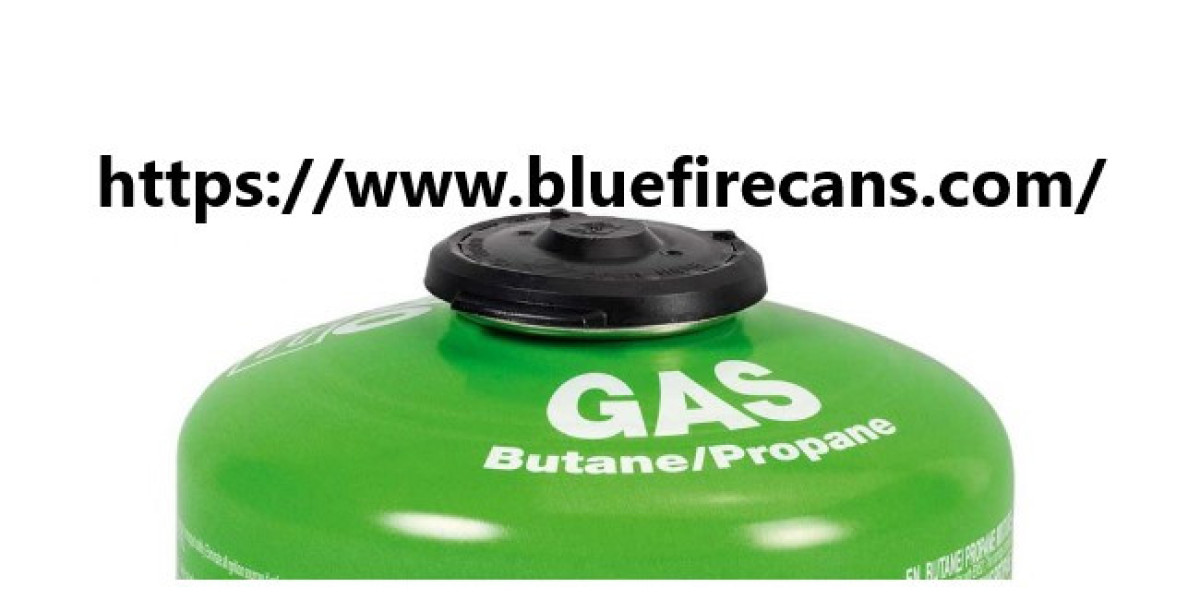
Begin with the valve area. A sturdy protective cap that fits snugly and shows no signs of stress or deformation is the simplest cue that a cartridge left the factory intact and survived transport without valve impacts. If a cap is cracked, missing, or poorly seated the unit should be inspected further and preferably set aside. Well packaged units usually have caps that are hard to dislodge by hand yet simple to remove when attaching a stove.
Next check for clear and readable labels. A good package shows the valve type and any compatibility notes in a place that is easy for retail staff and customers to find. Lot codes and batch identifiers printed on cartons and on individual cylinders are another strong indicator. These markings let operations teams trace an issue quickly to a specific run rather than having to quarantine entire shipments. When lot codes are missing or smudged it raises questions about handling and traceability upstream.
Look at carton construction and internal protection. Cartons that show signs of crushed corners or torn flaps suggest rough handling. Inside, effective dunnage or internal separators prevent valve contact with other cans and reduce the chance of accidental actuation in transit. Many reliable suppliers will use upright restraint instructions on the carton and include guidance about orientation so warehouses and carriers can stage pallets correctly, which reduces rejected loads on arrival.
Packaging that includes simple handling icons and short instructions is a helpful signal. Visual cues that show which side should face up, that warn about heat exposure, or that note valve protection help receiving teams and carriers get it right without digging for data sheets. Quick pictorial checks at receiving speed up acceptance and reduce time spent repacking or rejecting shipments. For retail environments this ease of handling translates directly into faster shelf stocking and fewer customer complaints.
Inspect seals and tamper evidence. Manufacturers who care about quality typically add tamper evident features or visual indicators that show whether a carton or a protective cap has been opened. These features do not guarantee quality on their own but when combined with intact packaging and clear lot labels they make it straightforward to accept inventory with confidence. If tamper features look compromised, treat the units as suspect and follow your supplier agreed procedure.
Check for batch documentation included with the shipment. A short certificate or an inspection note tucked into the master carton that mentions testing steps such as pressure and leak checks gives procurement and quality teams quick reassurance. Those notes are especially valuable when you manage multiple stores or rental fleets because they reduce the need for complete in house reinspection and let teams move stock faster.
Pay attention to printing quality and label permanence. Smudged printing, easily rubbed labels, or low adhesion of printed sleeves indicate corners cut either in finishing or in storage. Labels that survive handling and humidity better protect lot codes and safety instructions and help consumers follow safe use guidance at point of sale. Durable labeling also reduces the time staff spend relabeling or recording serials during receiving.
Value added packaging features matter for specific channels. For online sellers, a display ready inner box that keeps cartridges upright and shows valve type reduces return rates and increases conversion because customers get what they expect. For rental fleets, cartons that open quickly for rapid inspection and that include a short checklist for operators speed deployments and shorten turnaround times. These small packaging choices affect operations far more than many shoppers realize.
Finally, match packaging signals to a short receiving checklist. Inspect the valve cap, confirm lot code readability, check carton integrity, note any tamper evidence, and confirm orientation icons before accepting pallets. Add a routine that flags suspect units for return or for supplier follow up. Over time this approach turns packaging into an early warning system that prevents problems on the sales floor and in the field.
If you want to compare product and package notes for medium sized camping cylinders and to read supplier handling guidance such as valve compatibility, packing templates, and inspection practices, consult the manufacturer product pages; you can see these practical details and handling guidance collected on the cartridge category at https://www.bluefirecans.com/product/ which helps buyers match equipment and logistics to real world needs.